EEG is the future...
Witness the revolutionary next steps in advancing the technology of ADHD detection through EEG data and artificial intelligence.
The ADHD Enigma
Attention-Deficit/Hyperactivity Disorder (ADHD) is more than just a struggle to focus. It's a complex neurodevelopmental condition affecting millions worldwide, yet it remains widely misunderstood and frequently undiagnosed.
A Spectrum of Challenges
ADHD manifests through a persistent pattern of inattention, hyperactivity, and impulsivity that interferes with development and daily functioning. Diagnosis often relies on subjective behavioral reports, creating a significant barrier to accurate and timely treatment.
The Need for Objectivity
Traditional diagnostic methods can be slow and prone to bias. There is a critical need for an empirical, data-driven tool that can provide objective insights into the neural signatures of ADHD, aiding clinicians in making more confident and faster assessments.
The Silent Epidemic
The gap in ADHD diagnosis is a global health concern. A vast number of individuals live with the challenges of ADHD without knowing the underlying cause, impacting their careers, relationships, and well-being.
Our Innovative Revolution
We are replacing subjectivity with data. Our model harnesses the power of Electroencephalography (EEG) and a bespoke AI model to identify the subtle, complex brainwave patterns that differentiate ADHD from neurotypical brain activity.
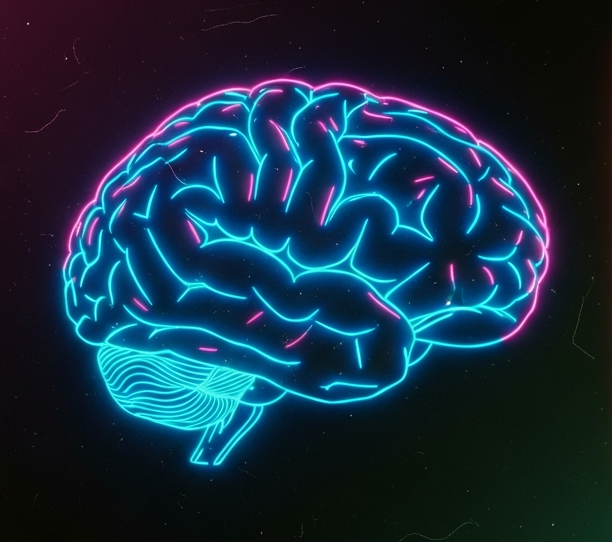
Innovative EEG Analysis
EEG provides a direct, non-invasive window into the brain's electrical activity. Our model is trained on vast datasets to recognize specific biomarkers and patterns in EEG signals that are strongly correlated with ADHD, offering a level of precision previously unattainable.
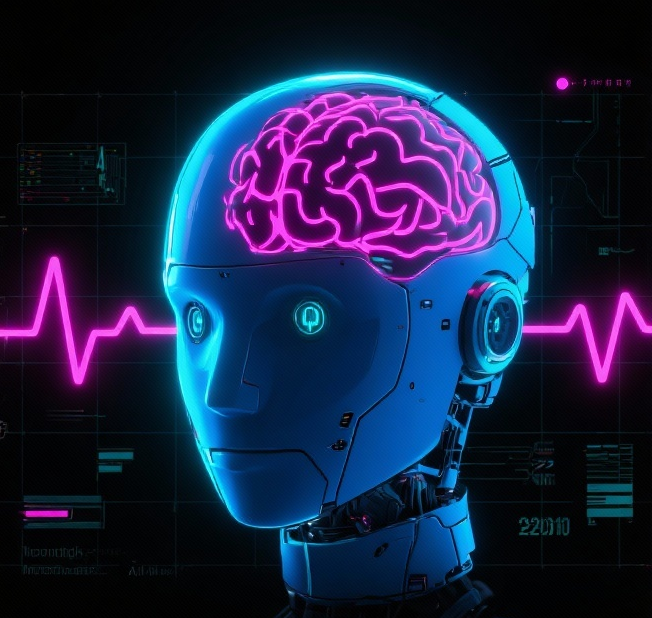
Next-Gen AI Model
At the core of our project is a sophisticated neural network. It processes 19 channels of EEG data, analyzing the intricate relationships between different brain regions to produce a clear, probabilistic assessment. This is the future of assistive diagnostic technology.

Clinical Integration
Designed for seamless implementation in medical systems, this tool acts as a powerful decision-support for clinicians. It speeds up the screening process, enabling healthcare providers to help more patients, more effectively.
Forged by Young Innovators
This entire project, from data science to AI model development, was conceived and built by two ambitious high school students driven by a passion to apply technology for social good.

Adolf Lobowicz
Co-Founder
Adolf orchestrated the project from concept to completion. He developed the full-stack website and backend, co-authored the comprehensive research paper, and helped fine-tune the AI model. His work involved integrating the core model and coding all surrounding components to create a seamless, functional application.

Akriti Srivastava
Co-Founder
Akriti was the architect behind the brain of our model. She skillfully coded the foundational artificial intelligence model, designing the complex neural network responsible for analyzing EEG data, rigorously researching the best parameters, and ensured its predictions were highly accurate.
Enter Neural Data
Input or slide to the processed EEG amplitude value (in microvolts, µV) for each of the 19 electrode sites. Our AI will analyze the complete pattern to generate a prediction.
Beyond ADHD: The Future of EEG
The technology powering our model has potential far beyond ADHD. Anywhere a link exists between brainwave patterns and a medical condition, our analytical approach can be adapted to bring new clarity and hope.
Epilepsy & Seizure Prediction
By training the model to recognize pre-seizure neural states (ictal patterns), this technology could one day provide early warnings, giving individuals crucial time to find safety.
Sleep Disorder Analysis
From insomnia to sleep apnea, EEG is the gold standard for sleep studies. AI can automate the analysis of sleep stages and detect anomalies with superhuman speed and consistency.
Cognitive Decline Monitoring
Subtle changes in EEG patterns over time can indicate the onset of conditions like Alzheimer's or dementia, enabling earlier intervention and better disease management.
CONTACT_US
Initiate transmission to the developers